




MUSCAT, JULY 5
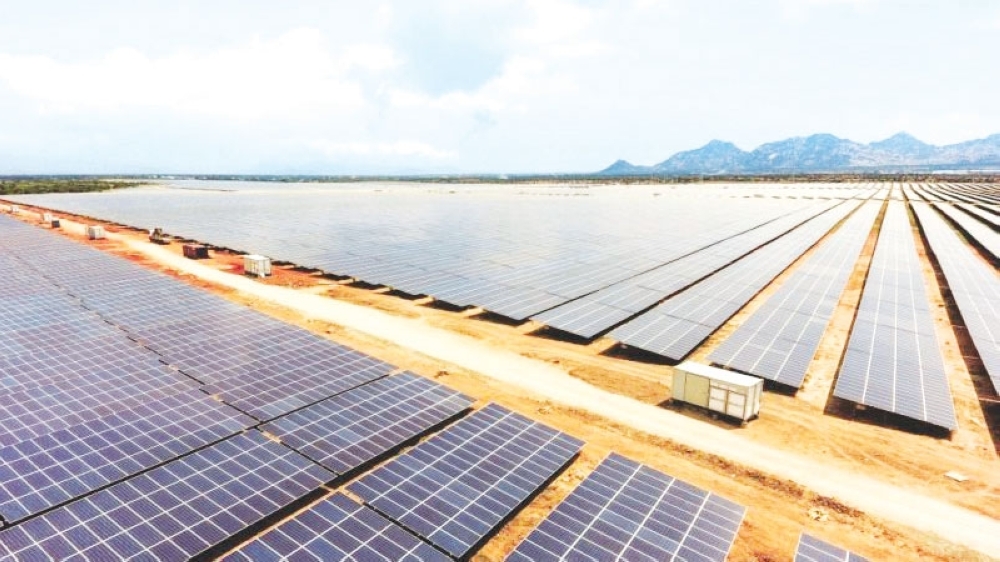
As many as four mega solar PV-based Independent Power Projects (IPPs) are planned for implementation across key locations in the Sultanate of Oman, starting from 2028–29. At 1 GW capacity apiece, these four large-scale schemes are central to achieving the Sultanate of Oman’s goal of generating at least 30 per cent of electricity from clean energy sources by 2030.
The timeline for the projects is outlined in the latest Five-Year Annual Capability Statement (2026–2030) issued by the Oman Electricity Transmission Company (OETC), the majority state-owned operator of the national grid.
In addition to the 1,000 MW solar project planned at Adam in Al Dakhiliyah Governorate — the subject of a recent Request for Qualifications (RfQ) issued by Nama Power and Water Procurement Company (PWP) — similar-sized projects are also envisioned at Al Kamil (Phase II) in Al Sharqiyah North Governorate, Thamrait (Dhofar Governorate) and Mahadha (Al Buraimi Governorate).
While the Adam Solar IPP is slated for commissioning in 2028, the other three projects are expected to be implemented from 2029 onwards, according to OETC.
In the interim period, several smaller solar PV schemes are expected to come online across the country. These include the 500 MW Ibri Solar III project, which is expected to be connected to the grid by 2027. Other projects scheduled for commissioning in 2028 include the Al Kamil I Solar IPP (400 MW), Marsa Solar IPP (280 MW) and Sinaw Solar IPP (500 MW).
In parallel, a number of wind-based IPPs are also in the pipeline for implementation over the next several years. Wind projects targeted for commissioning in 2028 include the JBB Ali Wind Farm (105 MW), Ras Madrakah Wind Farm (Duqm II) (300 MW), Mahout Wind IPP (800 MW), Dhofar II Wind IPP at Harweel (125 MW) and Sadah Wind IPP (120 MW), adding a combined installed capacity of approximately 1,450 MW.
Further expansion is planned from 2029 onwards with the Al Jazir Wind IPP (100 MW), Duqm III Wind IPP (300 MW), and Shaleem Wind IPP (220 MW), contributing an additional 620 MW of installed capacity.
OETC, which is tasked with integrating these new solar and wind IPPs into the national grids, projects a significant increase in the share of installed renewable energy capacity, rising from 13.6 per cent in 2026 to 45 per cent by 2030. This expansion is expected to play a pivotal role in achieving the country’s clean energy objectives while advancing its fuel diversification strategy.
The growing integration of renewable energy sources, the grid operator said, will also reshape transmission system operations, requiring enhanced spinning reserves and reserve capacity to manage the variability and intermittency associated with renewable power generation.
Oman Observer is now on the WhatsApp channel. Click here